
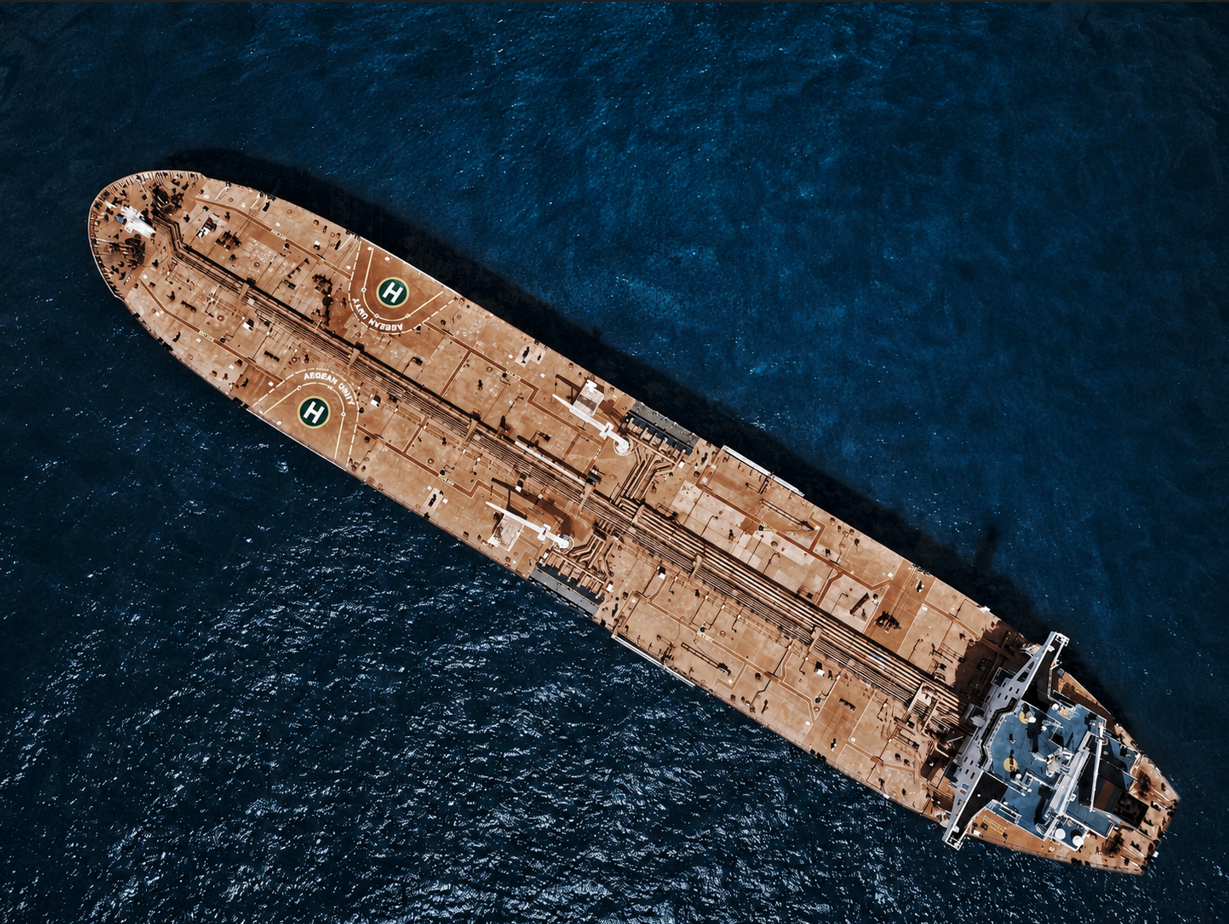
War Without an Exit: Washington’s Trial-and-Error Strategy in the War on Iran
After five months of escalation, Washington is still searching for an exit from a war whose aims were never clearly defined.

Political scientist specializing in Middle East politics
Mohammad Yaghi is a political scientist specialising in Middle East politics, with a particular focus on Palestinian politics, the Gulf states, and political mobilisation. He holds a PhD in Political Science from the University of Guelph and has taught as a sessional lecturer at the University of Guelph, Queen’s University, and Naif Arab University for Security Sciences in Riyadh. He currently teaches Palestinian Politics and Comparative Urbanism in the MENA region at the University of Toronto. His work combines theoretical analysis with regionally grounded research informed by sustained engagement in Palestine and the Gulf. He recently co-edited the special issue Foreign Aid of Gulf States: Continuity and Change (Third World Quarterly, 2024). His research on the Gulf states examines regional security dynamics and processes of social transformation.
After five months of escalation, Washington is still searching for an exit from a war whose aims were never clearly defined.
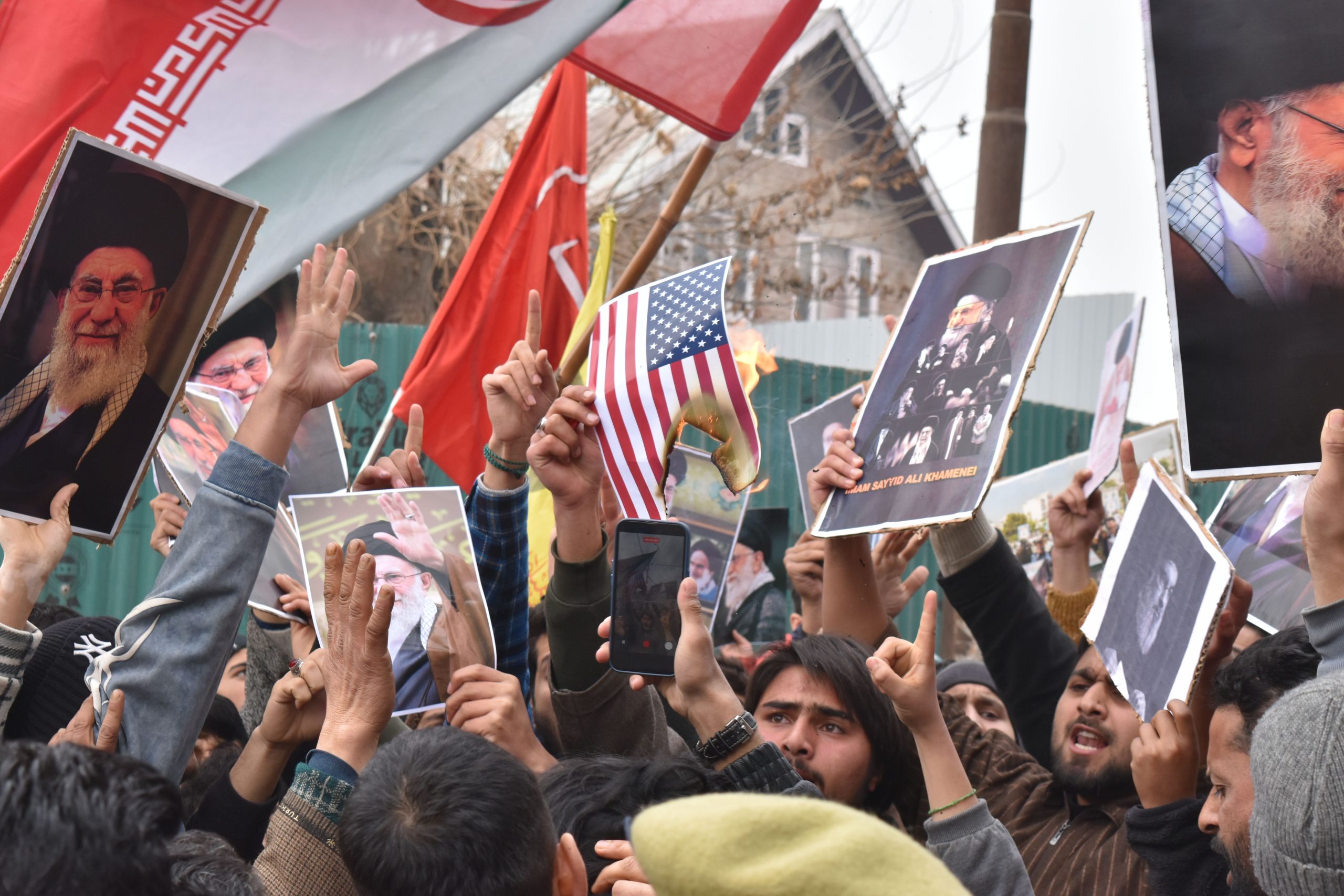
The agreement reopened negotiations and the Strait of Hormuz, but it also revealed how far Washington had moved from its original war aims.

How the war on Iran exposed the limits of U.S. protection and forced Gulf states to rethink their security strategy.

War has erupted between the United States, Israel, and Iran, shattering assumptions that calibrated pressure could prevent a wider conflict.