

Tackling Non-proliferation After Iran
Ensuring nuclear non-proliferation will never be easy, but drawing the line at enrichment clarifies the distinctions nuclear latency too readily blurs.
Program Coordinator, Bill Graham Centre for Contemporary International History
Jack Cunningham is Fellow and Assistant Professor at Trinity College, University of Toronto, where he is also Program Coordinator at the Bill Graham Centre for Contemporary International History. He is a former editor of International Journal and has published on the conflict in Afghanistan, the 2003 invasion of Iraq, and Canadian nuclear history. He writes here in a purely personal capacity.
Ensuring nuclear non-proliferation will never be easy, but drawing the line at enrichment clarifies the distinctions nuclear latency too readily blurs.

In European discussions of NATO’s future, Canada is sometimes an afterthought, but this is in neither our interest nor the Europeans.

With its proxies effectively neutralized and its own credibility and security impaired, Iran now has every temptation to accelerate its pursuit of a nuclear capability.

The return of large-scale war in Europe is reawakening the potent conventional deterrent of landmines and especially anti-personnel landmines
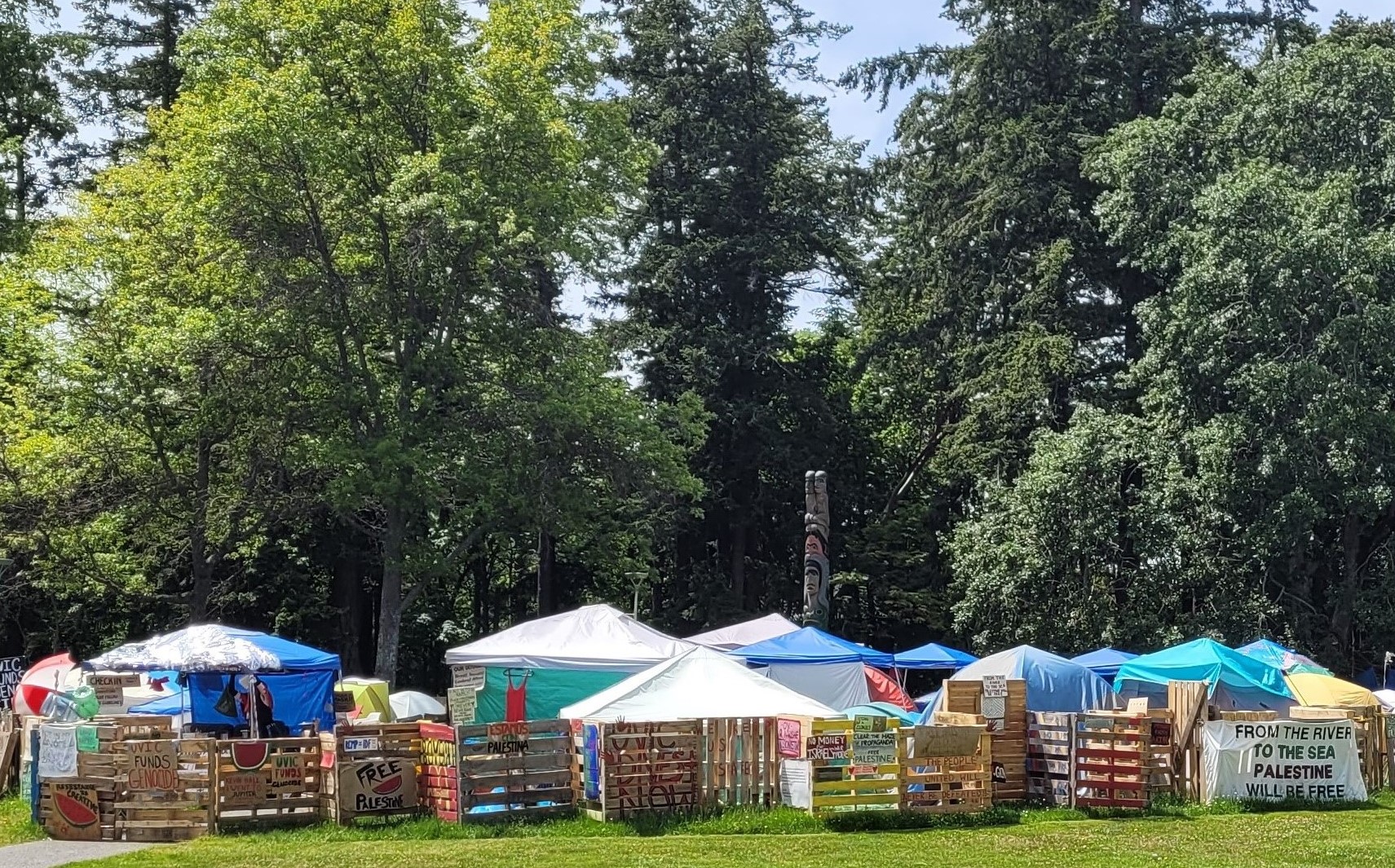
In Canada and elsewhere, the spread of pro-Palestinian encampments has triggered a vigorous debate about the limits of permissible protest.

Ever since Israel entered Gaza it has been lectured about the need to avoid civilian casualties against an enemy whose defensive strategy is hiding behind them

With the status quo unsustainable is there a way to “shrink the conflict”?

Amid
calls for a ban on nuclear weapons, Jack Cunningham proposes a different route:
instead of seeking total abolition, accept nuclear weapons where they reinforce
global stability, and oppose them where they undermine it.