

Trust but Verify
The use and reliance on AI driven open-source intelligence gathering is exploding but the need for human verification has not gone away.
Postdoctoral fellow for the Millennium Nucleus for the Study of Stateness and Democracy in Latin America and the Instituto de Ciencia Política at the Pontifica Universidad Católica de Chile
A. Alexander Stummvoll is a postdoctoral fellow for the Millennium Nucleus for the Study of Stateness and Democracy in Latin America and the Instituto de Ciencia Política at the Pontifica Universidad Católica de Chile in Santiago. He currently prepares his PhD thesis on Vatican diplomacy for publication. Previously he was Visiting Assistant Professor in Catholic Studies and Research Fellow in the Center for World Catholicism and Intercultural Theology at DePaul University in Chicago where he commented on the 2013 papal transition for the local media. He holds a PhD and an MRes in Political and Social Sciences from the European University Institute (EUI) in Florence, Italy, an MPhil in International Relations from the University of Oxford (St Antony’s College) and a BSc in International Relations from Aberystwyth University. In 2009 he co-founded the Religion and Politics Working Group at the EUI. As part of his doctoral studies, he also worked as a trainee for the EU Delegation to the Holy See in Rome. His research and teaching focus on religion and politics, International Relations theory, Holy See diplomacy, Catholic Social Doctrine, and Church history.
The use and reliance on AI driven open-source intelligence gathering is exploding but the need for human verification has not gone away.

While over 55,000 Afghan refugees have arrived in Canada since the Taliban takeover, many with ties to Canada remain stuck in Afghanistan and surrounding countries.
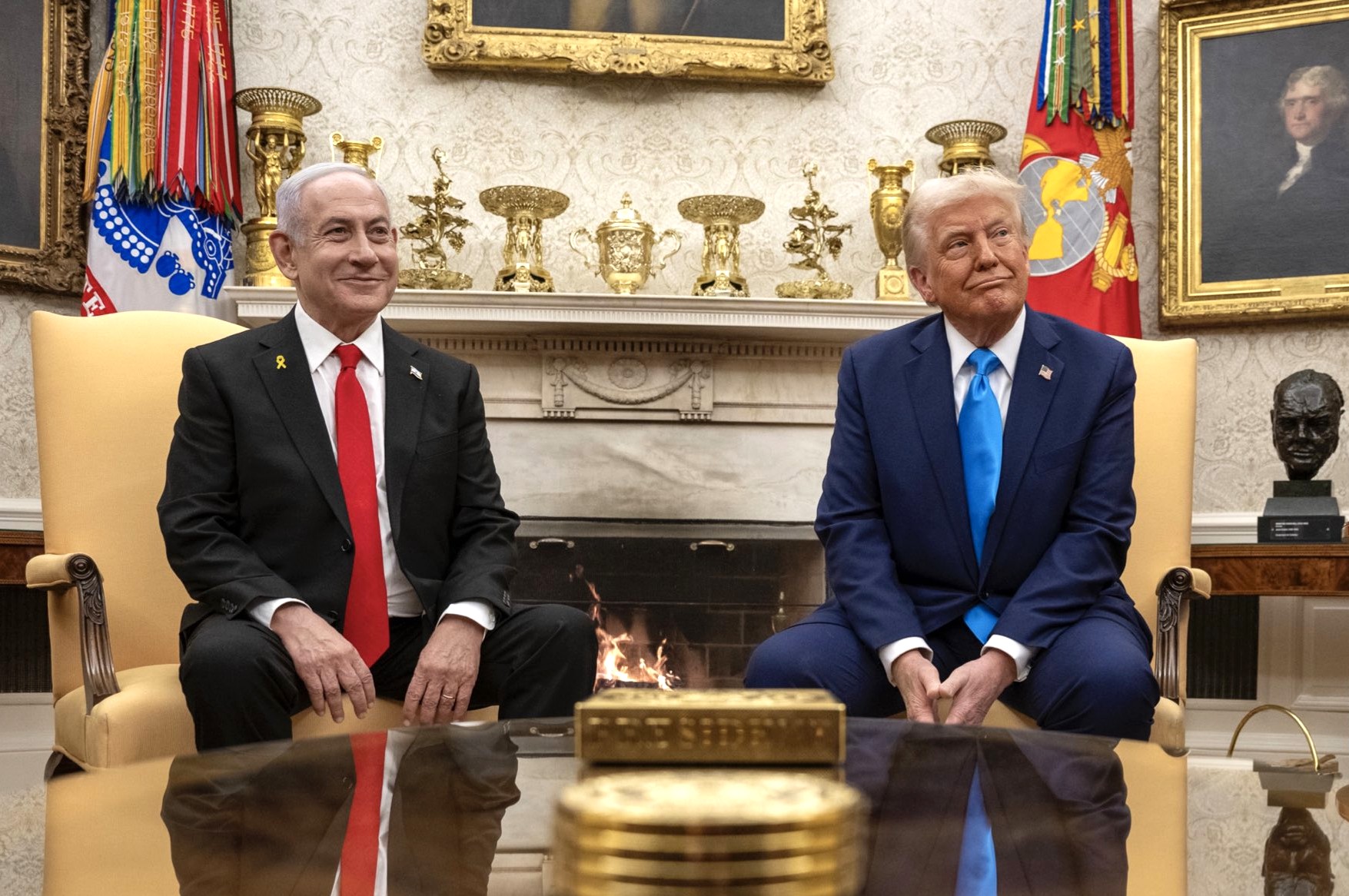
Donald Trump’s re-election seems to have emboldened Israel’s far right politicians to pursue their longstanding goal of annexation.

Venezuela’s territorial claim over the Essequibo could easily plunge the two countries into war